

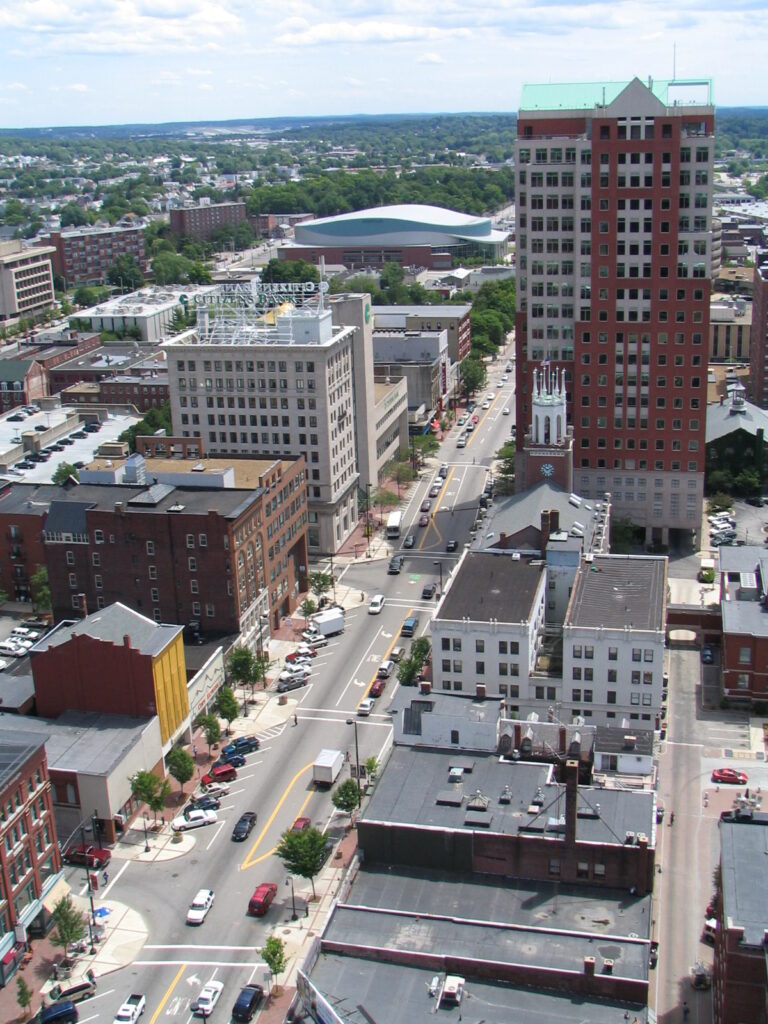
Moving to Manchester, New Hampshire: A Comprehensive Relocation Guide
Considering moving to Manchester, New Hampshire? As the state’s largest city, Manchester offers a thriving economy, vibrant downtown, and easy access to Boston. This 2025 relocation guide covers housing, jobs, and lifestyle.
Demographic Profile to Consider If Moving to Manchester:
Manchester’s 2025 population exceeds 115,000 residents. The city blends a historic mill-town heritage with a growing tech and healthcare base, making it one of northern New England’s most dynamic metros. Find trusted local services for moving, living, and working in Manchester.Manchester Relocation Directory
Cost of Living to Consider If Moving to Manchester:
Median home prices average $440,000, with rents between $1,600–$2,300. New Hampshire’s lack of income and sales tax helps offset higher property costs and regional utility rates.
Economy and Job Market:
Manchester’s economy thrives on tech, healthcare, finance, and higher education. Major employers include Southern New Hampshire University, Elliot Health System, and BAE Systems. Its location along I-93 offers easy commutes to Nashua and Boston.
Education:
Manchester School District serves K–12 students. Higher education options include SNHU, Saint Anselm College, and UNH-Manchester campus.
Recreation and Lifestyle:
Downtown Manchester features restaurants, breweries, and cultural venues like the Palace Theatre. Nearby Lake Massabesic, skiing at Pat’s Peak, and mountain hiking provide year-round recreation.
Healthcare and Services:
Elliot Hospital and Catholic Medical Center anchor the city’s healthcare network, supported by multiple clinics and specialists.
Transportation:
Manchester-Boston Regional Airport offers direct flights nationwide. Interstates 93 and 293 connect to Boston in under an hour.
Conclusion:
Moving to Manchester in 2025 means joining New Hampshire’s economic hub—offering city energy, job diversity, and convenient access to Boston and the Lakes Region.