

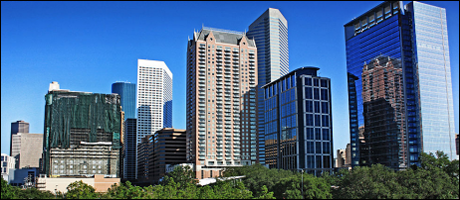
Houston is a community.
Moving to Houston, Texas: A Comprehensive Relocation Guide
Considering moving to Houston, Texas? The nation’s fourth-largest city continues its dynamic growth in 2025, attracting professionals, families, and entrepreneurs drawn to diverse job opportunities, affordable living compared to coastal cities, and a truly international community. From the Texas Medical Center to the Energy Corridor, Houston’s sprawling metropolitan area offers something for everyone seeking big-city amenities with Texas hospitality.
Demographic Profile to Consider If Moving to Houston:
Houston is home to approximately 2.39 million residents within city limits, with the greater metropolitan area approaching 7.8 million people across 10 counties. The city ranks fourth nationally in population, trailing only New York, Los Angeles, and Chicago. Houston added over 43,000 residents in 2024 alone, leading major metros in numeric growth and reflecting continued strong appeal. Find trusted local services for moving, living, and working in Houston.Houston Relocation Directory
The population is remarkably diverse—no single ethnic group comprises a majority. Hispanic residents account for approximately 44% of the population, followed by White (24%), Black (23%), and Asian (7%) populations. Over 145 languages are spoken in Houston, making it one of America’s most multicultural cities. The median age of 34 years reflects a relatively young, working-age population. Neighborhoods range from historic areas like The Heights and Montrose to master-planned communities in the suburbs. Inner-loop areas near downtown command premium prices, while suburbs like Katy, Sugar Land, The Woodlands, and Pearland offer family-oriented environments with newer construction and excellent schools.
Cost of Living to Consider If Moving to Houston:
Houston offers considerably more affordable living than comparable major metros, particularly coastal cities. The median household income sits around $62,894, while median home values vary widely by neighborhood—from under $200,000 in some areas to over $1 million in exclusive communities like River Oaks and Memorial. Overall affordability attracts many relocating from higher-cost markets.
The absence of state income tax significantly benefits all income levels, though property taxes run higher than in states with income taxes. Harris County’s property tax rates fund schools, infrastructure, and services. Renters find diverse options from downtown high-rises to suburban apartments, with median rents moderate compared to major coastal cities. Daily expenses including groceries, utilities, and dining remain reasonable. Houston’s cost of living typically runs 5-15% below the national average depending on neighborhood choice. The combination of strong employment opportunities and reasonable housing costs enables many residents to achieve homeownership and comfortable middle-class lifestyles.
Economy and Job Market:
Houston’s economy ranks among the most diverse and resilient in the nation. While historically tied to energy—with major oil and gas companies like ExxonMobil, Chevron, Shell, and BP maintaining significant operations—the economy has successfully diversified into healthcare, aerospace, manufacturing, technology, and international trade.
The Texas Medical Center stands as the world’s largest medical complex, employing over 100,000 people across institutions including MD Anderson Cancer Center, Texas Children’s Hospital, and Houston Methodist. NASA’s Johnson Space Center anchors the aerospace sector. The Port of Houston ranks first nationally in foreign tonnage and supports extensive logistics and manufacturing. Technology sector growth continues with companies establishing operations in downtown and suburban business districts. Professional services, finance, construction, and hospitality sectors provide abundant employment. The unemployment rate typically runs near or below national averages, with strong job creation across multiple industries. Entrepreneurs find Houston welcoming, with lower business costs and pro-growth policies.
Education:
Houston Independent School District (HISD), Texas’s largest school district, serves much of the city with over 200 schools. The district includes neighborhood schools, magnet programs, and specialized academies. Academic performance varies significantly across campuses, with many high-performing schools alongside struggling institutions. Other independent school districts in the metro including Cy-Fair, Katy, Spring Branch, Alief, and Fort Bend ISD offer additional public school options.
Higher education options abound. Rice University, a prestigious private research institution, offers world-class undergraduate and graduate programs. University of Houston, a major public research university, serves over 46,000 students. Houston Baptist University, Texas Southern University, and numerous specialized institutions provide diverse educational pathways. The Houston Community College system offers accessible associate degrees and workforce training. Multiple satellite campuses of Texas universities operate in the metro, ensuring higher education access throughout the region.
Recreation and Lifestyle:
Houston’s size and diversity create endless recreational possibilities. The Museum District houses 19 institutions including the Museum of Fine Arts, Houston Museum of Natural Science, and Contemporary Arts Museum. Theater District venues host Broadway productions, Houston Grand Opera, Houston Symphony, and Houston Ballet. Professional sports include the Texans (NFL), Astros (MLB), Rockets (NBA), and Dynamo (MLS).
Parks and green spaces include Memorial Park, Hermann Park, Buffalo Bayou Park, and Discovery Green in downtown. The city maintains over 380 parks despite its urban character. Galveston beaches sit about an hour south, providing Gulf Coast access. The Livestock Show and Rodeo each March draws millions, showcasing Houston’s cowboy heritage. Diverse dining scene reflects the international population—Vietnamese, Mexican, Chinese, Indian, Middle Eastern, and Southern cuisines thrive. Nightlife centers in Midtown, Montrose, Washington Avenue, and Downtown. Year-round warm weather enables outdoor activities, though summers are hot and humid.
Healthcare and Services:
Houston’s healthcare infrastructure ranks among the world’s finest. The Texas Medical Center includes 61 medicine-related institutions, 21 hospitals, and eight specialty institutions on 1,345 acres. MD Anderson Cancer Center leads cancer research and treatment globally. Texas Children’s Hospital, consistently ranked among America’s best pediatric facilities, provides comprehensive children’s care. Houston Methodist, Memorial Hermann, and St. Luke’s Health operate extensive hospital networks.
Residents access cutting-edge treatments, clinical trials, and specialized care unavailable in most markets. Numerous primary care physicians, specialists, urgent care facilities, and community health centers serve all neighborhoods. Healthcare quality varies by insurance coverage and location, but top-tier care is accessible to those with adequate insurance or means.
Transportation:
Houston’s transportation infrastructure centers on personal vehicles, with extensive freeway system including I-10, I-45, I-69, and Beltway 8 (Sam Houston Tollway). Traffic congestion during rush hours can be significant, with commute times varying widely based on residential and employment locations. Most residents depend on cars for daily transportation.
METRO operates bus routes throughout Houston and three METRORail light rail lines (Red, Green, and Purple) serving downtown, Texas Medical Center, Midtown, and other corridors. The transit system is expanding, with new partnerships including free METRO passes for eligible HISD high school students beginning in 2025. George Bush Intercontinental Airport (IAH) offers extensive domestic and international service, while William P. Hobby Airport primarily serves domestic flights. Both airports rank among the nation’s busiest, ensuring excellent air connectivity.
Conclusion:
Moving to Houston in 2025 means joining a vibrant, growing metropolis that combines economic opportunity, cultural diversity, and relative affordability. The fourth-largest U.S. city offers big-city amenities—world-class medical care, professional sports, arts and culture, international dining—while maintaining lower costs than comparable metros. Challenges include traffic congestion, urban sprawl, and summer heat, but most residents find Houston’s opportunities and quality of life outweigh these drawbacks. For professionals in energy, healthcare, technology, or seeking entrepreneurial opportunities, Houston delivers unmatched potential in the heart of Texas.
Ready to Move to Houston?
Get a personalized relocation guide tailored to your needs, timeline, and preferences.
📋 Create Your Custom Relocation Guide