

Bellevue is a community.
Moving to Bellevue, Nebraska: 2026 Relocation Guide
Considering moving to Bellevue, Nebraska? Nebraska’s third-largest city blends strong military heritage with suburban family living just south of Omaha, offering affordability and community connection.
Demographic Profile to Consider If Moving to Bellevue:
Bellevue spans 16 square miles in Sarpy County with approximately 65,000 residents, making it Nebraska’s oldest city and third-largest population center. The community’s character reflects its proximity to Offutt Air Force Base, creating a diverse, transient population alongside established families. With a median age of 36 years and a family-oriented culture, Bellevue attracts young professionals, military families, and those seeking affordable housing near Omaha. The city’s demographics include approximately 68% White, 18% Hispanic, and growing Asian and Black populations, creating a multicultural environment shaped by military connections. Find trusted local services for moving, living, and working in Bellevue Ne.Bellevue Ne Relocation Directory
Cost of Living to Consider If Moving to Bellevue:
Bellevue offers significant affordability compared to national averages, with median household income around $87,000 and median home values in the $250,000 to $350,000 range. The cost of living remains reasonable with lower housing costs than many metropolitan areas while maintaining access to Omaha’s amenities and job market. Renters find median gross rents around $1,200 monthly, providing options for military families and young professionals. Property taxes in Nebraska are moderate, and the overall economic environment supports middle-class families seeking value without sacrificing quality of life.
Economy and Job Market:
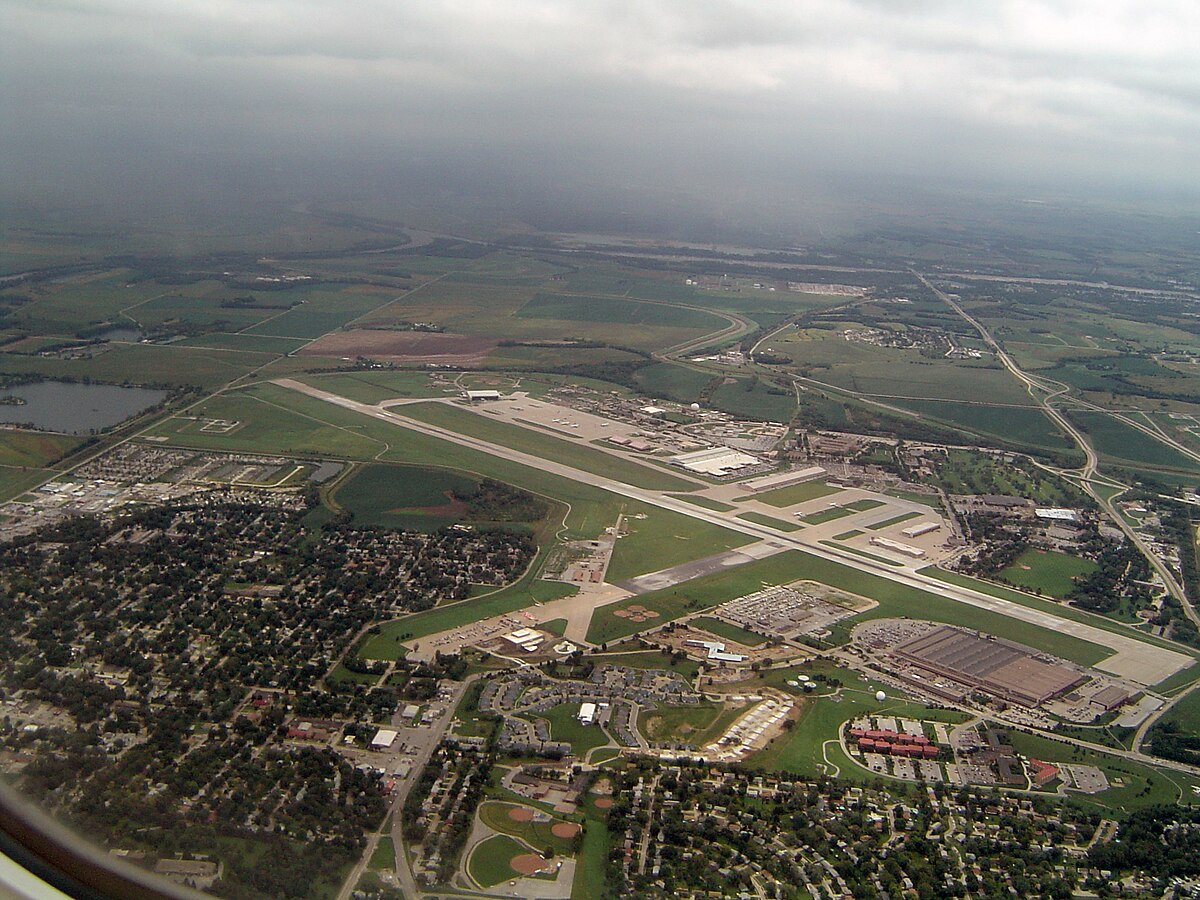
Offutt Air Force Base dominates the local economy as the region’s largest employer, directly employing approximately 10,000 military personnel and civilians with an annual economic impact exceeding $2.6 billion. The base houses U.S. Strategic Command headquarters, the 55th Wing, and multiple defense-related operations. Beyond military employment, Bellevue’s economy includes healthcare services, retail trade, and education sectors. The city’s proximity to Omaha expands employment opportunities significantly, with major employers including hospital systems, universities, and Fortune 500 companies headquartered in the metro area. The growing tech sector and continued base investment ensure economic stability.
Education:
Bellevue Public Schools serves approximately 9,500 students across 15 elementary schools, three middle schools, and two high schools including Bellevue East and Bellevue West Senior High Schools. The district maintains a 91% graduation rate and competitive academic programs despite serving a highly mobile military population. Bellevue University, a private institution known for career-focused programs, provides convenient higher education access. Students also benefit from proximity to the University of Nebraska Omaha, Creighton University, and Metropolitan Community College, all within easy commuting distance.
Recreation and Lifestyle:
Bellevue’s parks system includes numerous community parks, trails, and recreational facilities serving active families. The nearby Fontenelle Forest nature center offers 1,400 acres of hiking trails and environmental education. Residents enjoy easy access to Omaha’s cultural attractions including the Henry Doorly Zoo, Joslyn Art Museum, and professional sports teams. The community celebrates its heritage at the Sarpy County Museum and various local festivals. The Missouri River provides opportunities for fishing and outdoor recreation, while Omaha’s downtown entertainment district sits just minutes away for dining, shopping, and nightlife.
Healthcare and Services:
Nebraska Medicine Bellevue Medical Center serves as the primary healthcare facility at 2500 Bellevue Medical Center Drive, offering comprehensive emergency and medical services. Residents also access CHI Health Midlands Hospital in nearby Papillion, along with the extensive hospital networks of the greater Omaha metropolitan area including The Nebraska Medical Center, Methodist Hospital, and Children’s Hospital. The medical infrastructure supports both routine care and specialized treatment, with Omaha’s medical centers providing advanced services including transplant programs and cancer treatment.
Transportation:
Bellevue connects to Omaha via Highway 75 and Highway 370, providing convenient commuter access. Metro Transit operates Route 95 Bellevue Express, offering weekday service to downtown Omaha for commuters. While public transportation options remain limited compared to larger cities, the car-oriented infrastructure includes well-maintained roads and accessible parking. Eppley Airfield in Omaha provides commercial air service approximately 15 minutes north. The city’s specialized transportation services support seniors and disabled residents, while most daily needs require personal vehicle access.
Conclusion:
Moving to Bellevue in 2026 delivers affordable family living with strong community ties, military culture, and convenient Omaha metropolitan access for those seeking Nebraska’s heartland values.
Ready to Move to Bellevue?
Get a personalized relocation guide tailored to your needs, timeline, and preferences.
📋 Create Your Custom Relocation Guide